Tampa homeowners are rediscovering concrete as more than a bland slab or plain driveway. In this climate, where sun, humidity, and coastal salt test every material, decorative concrete delivers durability and design flexibility that few alternatives match. Over the last five years I have helped dozens of projects move from concept to finished porch, pool deck, or garage floor, and patterns keep repeating: clients want style without endless maintenance, value without cheap-looking results, and finishes that survive humidity and heavy foot traffic. Decorative concrete answers those demands when installed by experienced teams of concrete finishing contractors who understand Tampa FL conditions.
Why decorative concrete is worth rethinking here Concrete used to mean gray, utilitarian surfaces. Now it’s a design palette. Stamped textures can mimic brick or slate at a fraction of the cost. Integral color and acid stains provide rich, variegated tones that won’t peel like paint. Polished concrete looks like stone and holds up to pets, kids, and heavy furniture. For homeowners who want low long-term maintenance, a surface that resists sun fade, mildew, and oil stains is a real advantage. Concrete also retains and radiates heat differently than pavers, which matters for outdoor living spaces that must stay comfortable through humid summers.
The Tampa climate creates both constraints and opportunities. We do not contend with repeated freeze-thaw cycles, so certain thin overlays that would crack in northern climates perform well here. On the other hand, salt and hurricane-driven water require attention to joint placement, proper concrete mix design, and drainage. A decorative finish that looks great on day one will last when the slab receives the right mix, reinforcement, and sealer.
Popular decorative concrete approaches and when to choose them Stamped concrete produces a strong visual impact, and it remains one of the most cost-effective ways to get natural-looking textures over large areas. I have seen stamped pool decks that made a 20-year-old home look renovated overnight. Stamping works well for driveways and patios, but the installation must account for color variation and edge treatments; poor stamping creates repetitive, artificial patterns.

Stained concrete is understated and sophisticated. Acid stains create mottled, translucent color with depth; water-based dyes produce brighter, more uniform tones. For interior floors, stained concrete gives a high-end look with low upkeep. Expect color stability for many years if the slab is properly densified and sealed.
Polished concrete has gained traction for garages, basements, and modern interiors where homeowners want a showroom look without tile seams. Polishing densifies the surface and brings aggregates into view for a stone-like finish. Maintenance is simple: periodic resealing and occasional burnishing. The trade-off is a harder surface underfoot, so area rugs or slip-resistant additives are common choices.
Exposed aggregate reveals pebbles and small stones set into the concrete, offering texture and grip. It suits pool decks where slip resistance matters. The technique can be subtle or bold depending on aggregate selection; coastal stones provide a warm look that ties into Tampa’s shoreline aesthetic.
Microtoppings and overlays permit a thin decorative layer over an existing slab. They are practical when the base slab is sound but the surface is worn. Overlays permit intricate finishes and can be colored or textured, but they require meticulous substrate preparation and moisture control to avoid delamination in humid conditions.
Five decorative trends shaping Tampa projects
Natural, muted palettes that complement coastal landscaping. Seamless indoor-outdoor floors using stained or polished concrete. Slip-resistant pool deck textures combining exposed aggregate with sealers. Two-tone stamping and inset borders to break up large expanses and add luxury cues. Integration of heated concrete slabs for screened lanai spaces and garages.Each trend reflects a balance between aesthetics and practical needs. For example, trend 2 is growing because homeowners want continuity between living room and lanai, but that often requires coordinating expansion joints and choosing a finish that works under both sunlight and AC-cooled interiors.
A realistic cost and lifespan perspective Budgets for decorative concrete in Tampa vary widely depending on the finish and square footage. As a rough guide, stamped concrete can start in the low $8 to $12 per square foot range for basic patterns and rise to $18 to $30 for custom textures, premium colors, and detailed borders. Stained concrete for interiors commonly falls between $6 and $12 per square foot, while polished concrete typically sits higher, from $10 to $25 per square foot, depending on the gloss level and aggregate exposure. Microtoppings and overlays vary more, often between $6 and $20 per square foot, tied to substrate preparation costs.
Expect a well-installed decorative concrete surface to last 20 to 30 years or more. Sealers will need refreshment every 2 to 7 years depending on traffic, UV exposure, and product type. The biggest threats to longevity are poor subgrade compaction, inadequate jointing, and incorrect curing. A project that saves on subbase or skips expansion joints to cut costs will show signs of distress sooner. Concrete Services in Tampa FL professionals insist on the right foundation work because the surface finish depends on the structure beneath.
What Tampa homeowners need to insist upon from contractors When selecting concrete finishing contractors, ask about mix design, reinforcement, joint layout, and curing procedures. A simple question I always pose to contractors on site: what slump, air content, and cement content will you specify for my slab? The answers tell you whether they treat concrete as craft or commodity. In Tampa, moderate water-cement ratios with entrained air and a specified compressive strength in the 3,500 to 4,500 psi range are common for residential slabs exposed to weather and heavy use.
Also confirm who will handle preparation and sealing. Decorative finishes are forgiving of small surface blemishes, but they are not a cover for poor concrete. Full substrate repair, proper moisture testing, and a documented sealer schedule should be part of the contract. A reputable firm like All Phase Concrete or other licensed Concrete Services in Tampa FL will provide references and before-and-after photos from local installations, not gallery images lifted from national sites.
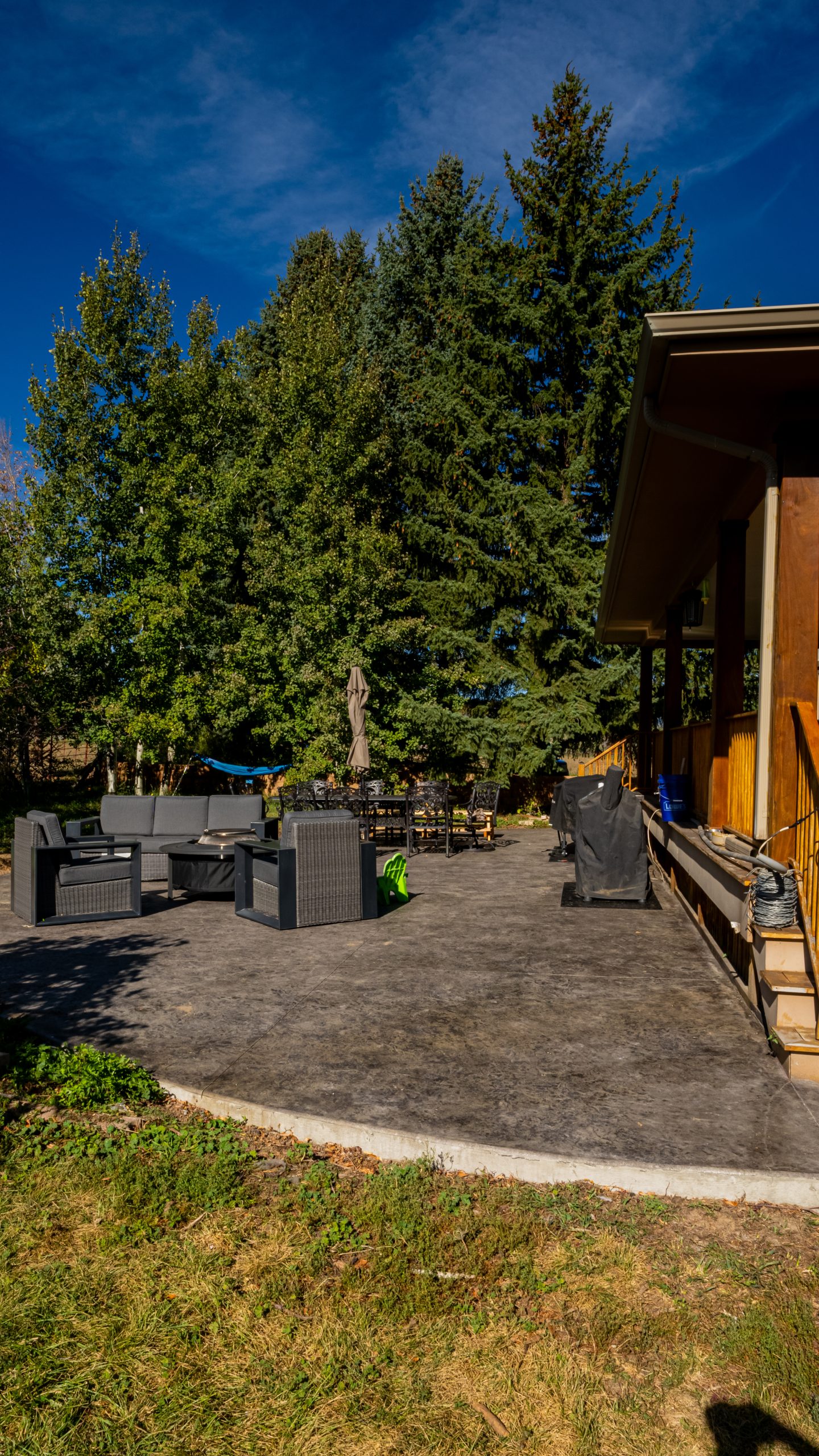
Small details that make a big difference Edge treatments, control joints, and drainage often decide whether a decorative surface looks integrated or awkward. I once saw a gorgeous stamped driveway ruined by a poorly planned transition to the sidewalk; the Concrete contractor in Tampa FL color stopped mid-way and a narrow strip of plain concrete created a visual fault line. Plan transitions so color and texture flow into adjacent materials, or use deliberate borders and saw cuts to create clean separation.
Color selection benefits from physical samples. Lighting changes color perception dramatically; a patio that looks warm in late afternoon may appear flat midday. Ask for samples installed on-site and look at them at different times of day. Sealers darken color and add sheen; decide early whether you want satin, matte, or glossy finishes.
Maintenance: realistic, minimal, and effective Maintaining decorative concrete in Tampa is straightforward if you plan for it. Clean with a broom, occasional pressure wash, and a neutral pH cleaner. Reapply sealer every few years depending on traffic. For pool decks and exterior areas, choose sealers formulated to resist UV degradation and mildew. For garages or driveways where oil stains are likely, topical sealer plus prompt spot cleaning prevents permanent discoloration.
Avoid heavy detergents and waxes that trap dirt. For polished floors, a microfiber dust mop and a spray buff every few months keeps the shine. For stained floors, a penetrating sealer that allows vapor to escape prevents bubbling in humid seasons.
Trade-offs and edge cases you should consider Decorative concrete has compromises. A polished floor will amplify sound, so plan rugs or soft furnishings in open-plan interiors. Stamped surfaces can have seams that collect debris; careful joint design mitigates that. Overlays can fail when moisture migrates upward from a slab that was never properly tested for vapor transmission; a calcium chloride or moisture meter test is not optional for overlays in a city like Tampa with high groundwater levels in some neighborhoods.
If you live close to the bay, choose aggregates and sealers designed to resist salt exposure. I reworked a front porch project where the initial installer used a basic sealer that blistered under salt spray within a year. The replacement used a higher-grade silane siloxane sealer and thicker joint sealant, resulting in no further issues after three hurricane seasons.
Selecting the right contractor: a short checklist
- Verify licensing and local references specific to Tampa FL projects. Request a written concrete mix specification, joint plan, and curing schedule. Inspect previous work in person, not just photos online. Confirm warranty terms, sealer products, and maintenance recommendations.
A short anecdote about decision-making A couple in South Tampa wanted a seamless indoor-outdoor look between their kitchen and lanai. They considered porcelain pavers and stained concrete. Porcelain would have required a floating system and regular joint maintenance, and the tiles they preferred were slippery when wet. We recommended a lightly polished stained concrete with a matte sealer and a slip-resistant additive for the lanai. The final result carried the line visually from indoors to out, reduced trip hazards, and cost about 20 percent less than the tile option once subgrade and transition details were included. The couple appreciated not just the upfront savings but the reduced annual maintenance and the way the concrete handled salt spray after a few waterfront storms.
Why local expertise matters more than flashy marketing Concrete is a wet material that cures on site. National photos and glossy brochures sell ideas, but the success of a decorative concrete project depends on local knowledge: which admixtures work best in humid heat, where to place control joints to accommodate soil settlement, how to protect a fresh slab during sudden summer storms. Concrete Services in Tampa FL means both understanding aesthetics and knowing microclimates across the city. Experienced concrete finishing contractors will sequence the work to avoid rush-hour rains, specify mixes tolerant of high ambient moisture, and advise on sealers that resist the particular UV levels we see here.
If you are comparing bids, do not pick solely on price. Ask about the subgrade compaction method, reinforcement type, and who will apply the finish and sealer. A lower bid that sacrifices any of those is likely to cost more in repairs or lost appearance a few years down the road.
Making a plan you can live with for the next 20 years Start with function. List how you will actually use the space, not what you hope it will look like in design images. Next, choose a finish that meets slip-resistance, aesthetics, and maintenance expectations. Finally, confirm the contract specifics: schedules, materials, weather contingencies, and a warranty. If you want a single point of accountability, name the installer responsible for both slab construction and finish application; fragmentation between two firms often leads to finger-pointing when problems emerge.
Working with trusted local providers like All Phase Concrete or other reputable Concrete Services in Tampa FL can simplify this process. These firms have portfolios showing how particular finishes weather over three to five years in our climate. That track record is the most reliable predictor of future performance.
Final persuasive note on value Decorative concrete in Tampa is not simply a cheaper alternative to tile or natural stone, it is a different approach that offers durability, low maintenance, and design versatility. For homeowners who want long-lived surfaces that tolerate humidity, resist salt, and deliver a tailored aesthetic, decorative concrete is often the best value per square foot over time. Invest in skilled concrete finishing contractors, insist on detailed specifications for mix and joints, and plan for modest ongoing maintenance. The result can be a home that looks upgraded, performs reliably, and keeps its value through Tampa’s weather and daily life.